
There's a reading happening right now in Brooklyn. Maybe at Greenlight Bookstore in Fort Greene, where folding chairs are packed tight and someone's passing around a signup sheet for the open mic after. Maybe at Community Bookstore in Park Slope, where the radiator clangs and the wine is box but the crowd is rapt. Maybe in someone's Bed-Stuy apartment, eighth floor walk-up, where a dozen people are crammed on a futon listening to a writer read from their phone because the manuscript isn't printed yet.
This is the 2020s Brooklyn literary scene: decentralized, diverse, unruly, and more vital than it's been in decades.
The Geography of a Literary Moment
If you wanted to map the Brooklyn literary scene, you wouldn't draw neat boundaries. You'd trace lines between places: the Crown Heights blocks that pulse beneath Jamel Brinkley's A Lucky Man. The Flatbush Avenue bodegas and the Prospect Park pathways where Brandon Taylor set portions of Real Life. The Bed-Stuy stoops and Fort Greene apartments where a generation of writers are setting their work—not as backdrop, but as character.
This isn't the Brooklyn of A Tree Grows in Brooklyn or even the gentrified brownstone Brooklyn of early 2000s MFA fiction. This is Brooklyn as a living, code-switching, multilingual, working-class, queer, Black and brown ecosystem where literary fiction is being reimagined from the ground up.
What Makes This Moment Different
The 2020s Brooklyn literary scene isn't defined by a single aesthetic or workshop pedigree. It's defined by writers who refuse the false choice between "literary" and "authentic," between formally ambitious and emotionally direct. These are writers who learned from Kiese Laymon's unflinching memoir Heavy, from Deesha Philyaw's The Secret Lives of Church Ladies, from the way contemporary fiction can hold tenderness and hardness in the same paragraph.
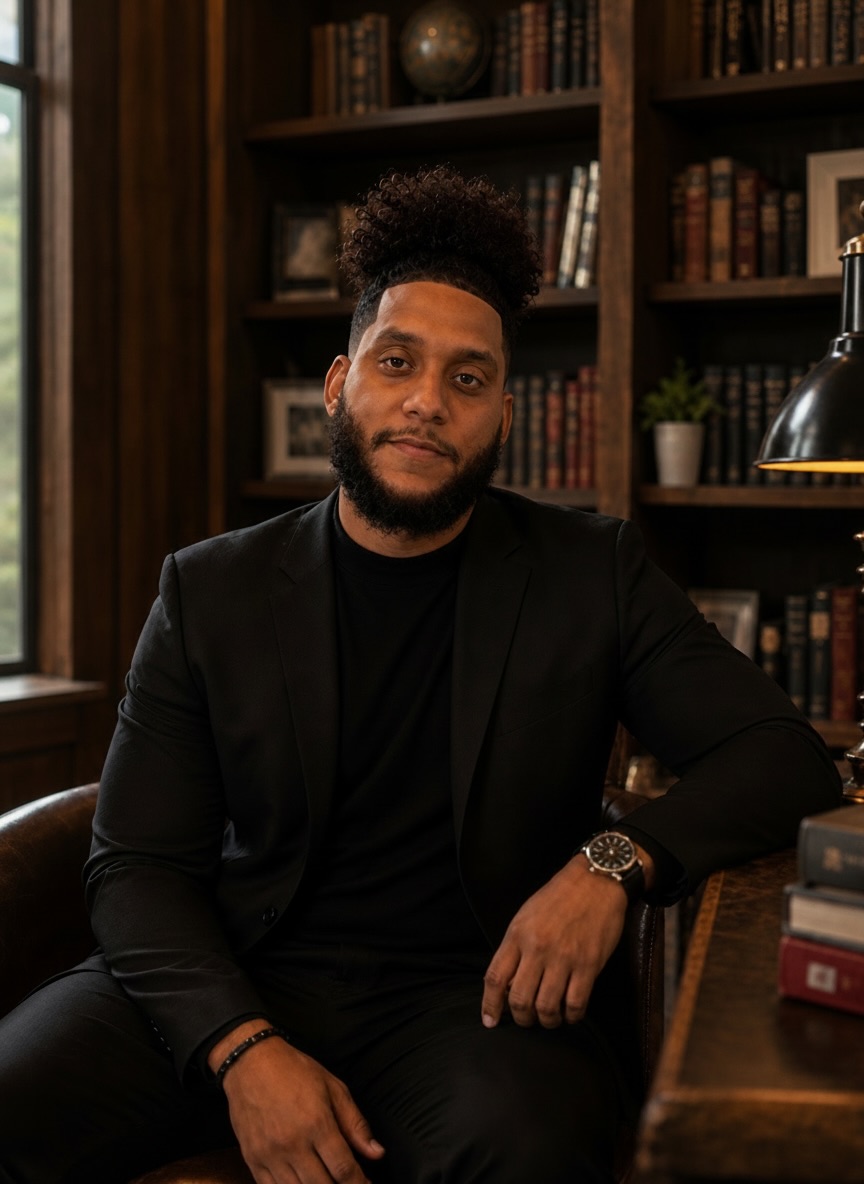
Take Joseph Green's Loverboy, Still, arriving in 2026—a novel that maps its own Brooklyn geography across Bed-Stuy and Crown Heights, tracking a young Black man navigating desire, masculinity, and survival in a city that's both home and battlefield. It's the kind of book that couldn't have been published twenty years ago, not because the talent wasn't there, but because the literary infrastructure to support this kind of voice is only now being built.
The Infrastructure of a Scene
That infrastructure includes:
- Independent bookstores as community hubs: Greenlight, Community Bookstore, Sankofa Literary Society in the Bronx (which draws the Brooklyn crowd), and WORD Bookstores don't just sell books—they host workshops, facilitate writer meetups, and create space for emerging voices.
- Reading series that center marginality: From the Rabbit Hole reading series to various DIY events in Brooklyn apartments and backyards, these gatherings privilege writers the traditional literary establishment has historically overlooked.
- Small presses punching above their weight: Publishers willing to take risks on formally innovative, unapologetically specific fiction that major houses might deem "too niche" (which usually means too Black, too queer, too working-class, too honest).
- A generation of readers hungry for fiction that reflects their lives: Readers who grew up on Tumblr and Twitter, who understand code-switching and diaspora and the layered textures of contemporary urban life, who want literary fiction that doesn't flatten experience into easy metaphor.
Brooklyn as Method, Not Just Setting
What's most exciting about the 2020s Brooklyn literary scene isn't just that writers are from Brooklyn—it's that they're using the borough's contradictions as formal method. The way a single block can contain five languages and three income brackets. The way gentrification makes neighbors strangers. The way the Q train becomes a portal between worlds, Crown Heights to Canal Street in thirty minutes and a lifetime.
This is fiction that understands place as palimpsest, as contested ground, as both wound and home. It's fiction alert to power—who has it, who's losing it, what it costs to survive in a city designed to extract everything you have. And it's fiction that finds, against all odds, moments of grace: a conversation on a stoop, a hand held on the platform, the particular slant of light through a Bed-Stuy brownstone window at 7pm in October.
Where the Scene Is Heading
As we move deeper into the decade, the Brooklyn literary scene is expanding beyond Brooklyn itself—to the Bronx, to Queens, to the writers priced out to Philadelphia and Baltimore and Atlanta who still claim the city as artistic home. It's becoming less a geographic location than a shared aesthetic project: rendering American life in all its contradictions, centering voices historically pushed to margins, proving that "literary fiction" and "the hood" were never opposites in the first place.
The 2020s Brooklyn literary scene is being written right now, in manuscripts not yet finished, in readings happening tonight, in conversations between writers on the 2 train heading home. It's being written by authors like Joseph Green and dozens of others whose names you'll know soon, whose books will reshape what we think American fiction can do.
And if you want to understand where literary fiction is going—not the MFA-workshop version, but the living, breathing, Brooklyn-sidewalk version—start paying attention now. The map is being drawn as we speak.
Shop the books from this essay
- Real Life — Brandon Taylor
- A Lucky Man — Jamel Brinkley
- Heavy — Kiese Laymon
- The Secret Lives of Church Ladies — Deesha Philyaw
Bookshop.org supports independent bookstores — every purchase splits revenue with an indie shop of your choice. Affiliate links; Joseph earns a small commission at no cost to you.